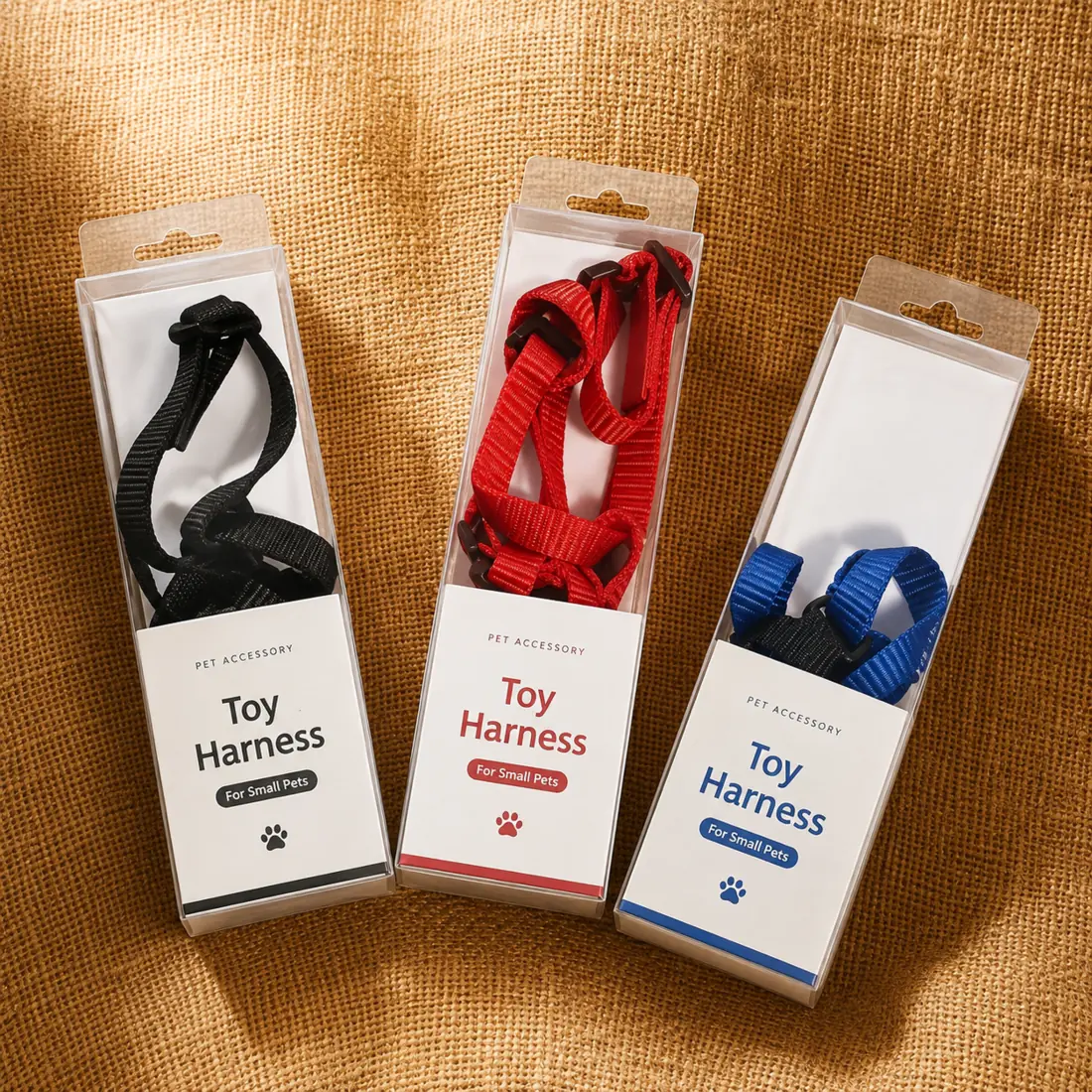
Start with the manufacturing route
Choose a dog harness manufacturer by matching its production capabilities to your product brief, verifying the operating business, reviewing representative samples and comparing written quotations on the same specification. Approve the harness construction, size range, branding and inspection requirements before committing to bulk production.
For a pet brand, a low unit price is only one part of the decision. A useful supplier comparison also records what the quoted product includes, which operations the supplier controls and what still needs development.
| Route | What changes | Confirm with the supplier |
|---|---|---|
| Available style | An existing harness reference, with the selected sizes and colors. | Current stock by variant, the unit of sale and whether branding changes require production. |
| Private label | An existing construction with approved branding or packaging. | Logo method, artwork, position, packaging and the minimum for each variant. |
| Custom development | A new structure, size specification, material combination or hardware requirement. | Development scope, sample revisions, setup costs and approval stages. |
Use the dog harness collection to select references and the private-label program to describe the changes. A product-card quantity is a starting reference, not confirmation of inventory or every customization option.
Verify the business and the production scope
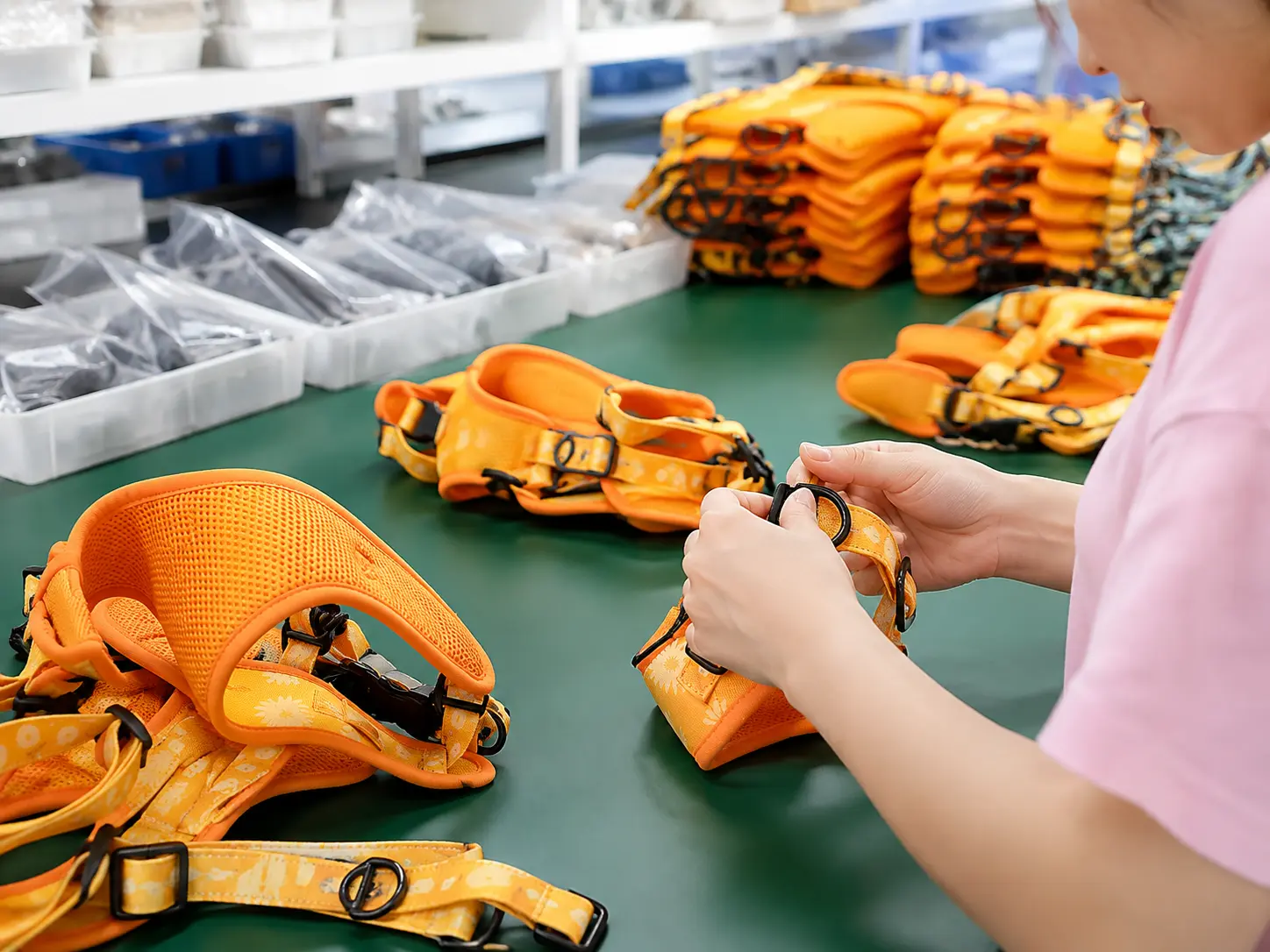
Ask for the registered business name, factory location, dated verification evidence and a production walkthrough relevant to dog walking gear. Match the business named in the evidence with the quotation and contracting details. Ask which steps are performed in-house and which involve outside suppliers.
HUIJIA PET operates through Guangxin District Huijia Pet Products Factory in Shangrao, Jiangxi. The factory verification record identifies the manufacturer, report number, date and equipment. Review the scope and age of a record rather than treating a verification badge as a guarantee for an order.
| Review item | Evidence to request | Decision to record |
|---|---|---|
| Factory identity | Registered entity, address and dated verification record. | Do the entity and location match the supplier being contracted? |
| Relevant production | A walkthrough of webbing preparation, sewing, assembly and packing; identify any outsourced operations. | Can the proposed production route make the selected construction? |
| Sample capability | An identified sample, drawing, material list and size references. | Can the supplier reproduce the agreed details and record revisions? |
| Quality evidence | Inspection scope and any product-specific reports, with sample identification. | Does the evidence cover the ordered construction and required checks? |
| Commercial scope | A written quotation with quantity split, setup costs, packing and delivery terms. | Are assumptions and exclusions clear enough to compare? |
| Open issues | A list of unresolved questions with owners and approval dates. | What must be resolved before production is authorized? |
A factory audit describes the business or processes within its scope. It does not establish the strength, safety or market compliance of every harness. Request the product-specific evidence required for your intended market and construction.
Check construction and sizing capability
Send the same product brief to shortlisted manufacturers. Include the harness structure, leash attachment points, webbing width, padding, buckle and adjuster references, artwork and packaging. Identify what is fixed and which alternatives you want quoted.
- Construction: compare the actual strap layout and assembly, not only labels such as Y-shape, step-in or no-pull.
- Sizing: separate the dog's body measurements from the finished harness adjustment limits. Define the measuring points and agreed tolerances for each size.
- Components: identify materials and hardware together with their dimensions and assembly requirements.
- Branding: approve logo size, location, artwork revision and print direction on the selected sizes.
Ask how a change to width, buckle or attachment position affects other parts of the harness. Use the sizing guide to prepare repeatable measurements. Do not assume one supplier's S/M/L labels match another's range.
Approve an identified sample and written specification
Review a sample against the proposed specification and keep a written record of accepted details and requested changes. Select representative sizes and constructions for the review; agree whether further samples are needed before approving the full range.
- Record the style, sample revision, size, color, materials and hardware references.
- Measure the agreed points and adjustment limits; record actual observations rather than a single “size OK” entry.
- Check sewn attachments, buckle engagement, adjustment, accessible edges and the intended fit review.
- Confirm logo artwork, packaging, barcode mapping and the contents of each selling unit.
- Define performance testing separately, including sample identity, method and acceptance criteria where required.
The harness sample approval checklist provides the fields to agree. A material or buckle test alone should not be represented as a test of the complete harness assembly. Keep unresolved items open until the responsible buyer has reviewed the evidence.
Compare MOQ, price and timing on the same basis
Ask every supplier to quote the same construction and quantity breakdown. Record whether the minimum applies per style, size, color, artwork or set. Separate stock availability from production quantity and confirm whether mixed sizes can meet the stated minimum.
| Quotation field | What to align |
|---|---|
| Product specification | Construction, materials, hardware, size range and approved reference revision. |
| Order quantities | Pieces or complete sets, with quantities per style, size and color. |
| Branding and packing | Logo method, artwork, labels, barcodes, retail pack and export cartons. |
| Additional costs | Sample, development, tooling, testing, packaging and transport charges; note exclusions. |
| Timing | Sample preparation, revisions, production after approval and transport as separate stages. |
| Order terms | Currency, quotation validity, payment stages, shipping term and named destination. |
For HUIJIA PET, review the published purchasing references and request a quotation for your exact specification. Confirm whether a schedule uses working or calendar days and what event starts the clock. A historical sampling reference is not a guaranteed delivery date for a new project.
Decide what is ready for bulk production
Before authorizing production, align the approved sample, specification revision, final quotation and quantity breakdown. Record inspection checkpoints, any required test evidence, labeling and packing instructions, and who can approve shipment release.
If a material, component or artwork changes after approval, document the proposed substitution and review its effect before accepting it. A repeat order should identify the approved version and any changes since the previous order.
- Proceed: the required sample reviews are accepted and the scope and commercial terms are documented.
- Resolve first: measurements, materials, test scope or delivery responsibilities remain unclear.
- Reassess: the supplier cannot explain the business identity, proposed construction or evidence relevant to the order.
Prepare a consistent brief with the RFQ checklist and editable workbook. Send your selected styles, quantities and open questions to HUIJIA PET so the quotation can identify what is included and what needs confirmation.
Source and scope
This supplier-review checklist is written by HUIJIA PET for dog walking gear buyers. It is a purchasing framework, not a ranking of manufacturers or a completed inspection report. The factory evidence summary identifies Alibaba Deep Verification Report HGHWT00372508, dated 22 April 2026. Confirm the current scope, availability and commercial terms for the selected product in your quotation.